
Older buildings often contain architectural details that give them a recognizable identity. Decorative masonry, original door frames and distinctive window arrangements reflect design preferences from earlier decades. During renovation, these features may be removed simply because they no longer match contemporary interiors. However, preserving or thoughtfully reinterpreting selected details can create a stronger connection between old and new construction. Property owners planning to buy glass block materials for restoration should evaluate the building’s existing character before selecting replacements. The goal is to respect original design elements while meeting current practical and construction requirements.
Identify Features Worth Preserving
Before demolition begins, examine the building for materials that contribute to its architectural identity. Original glazing, decorative wall sections and unusual openings may be significant even when surrounding surfaces need substantial renovation.
Photograph existing features and record their dimensions. An architect or qualified restoration specialist can help determine whether particular elements are worth retaining. Buildings with formal heritage protection may also have restrictions governing alterations or replacement materials.
Understand the Original Design
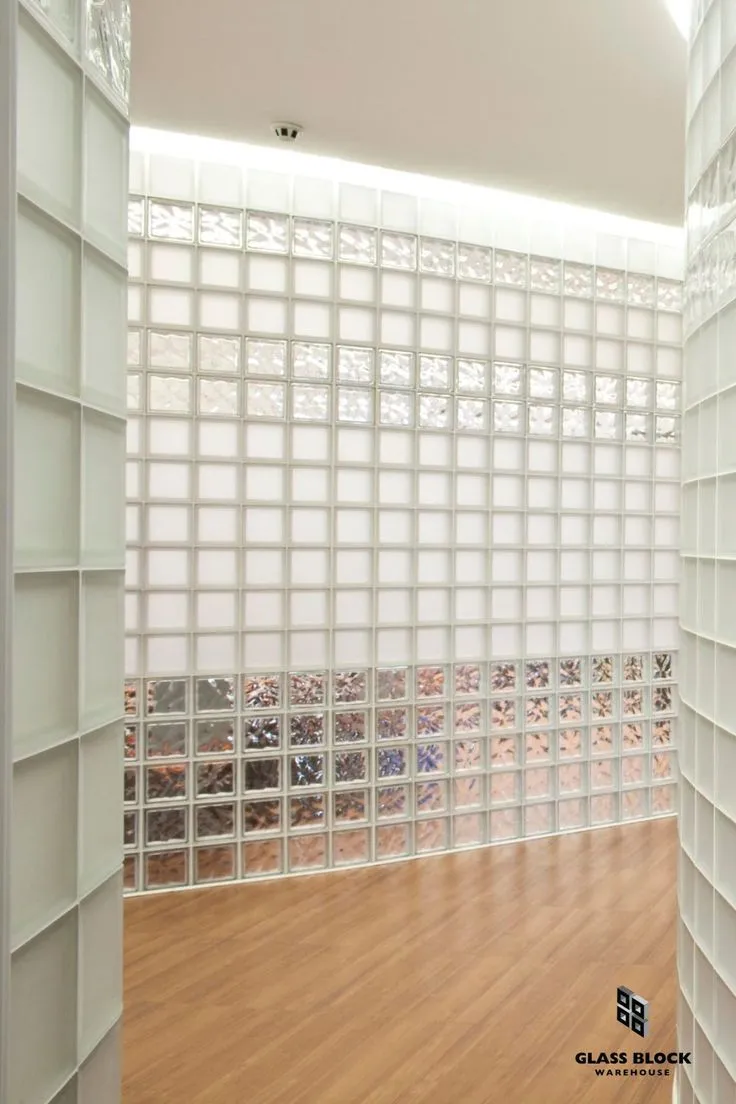
Glass block features appeared in several architectural styles, including Art Deco, Streamline Moderne and later modernist buildings. Their geometric arrangements contributed to distinctive entrances, stairwells and decorative interior walls.
Understanding the original design can guide restoration decisions. Replacing an old feature with an unrelated pattern may change the building’s character. Where suitable, matching the original proportions and visual rhythm can preserve continuity while accommodating necessary improvements.
Examine Existing Material Conditions
An older glass masonry installation may have damaged units, deteriorated joints or signs of movement around the opening. These problems should be assessed before deciding whether the entire feature needs replacement.
Some damage may be localized, making selective repairs possible. Other conditions may indicate problems with surrounding structural supports or moisture infiltration. A qualified contractor should determine which components can remain and whether the existing installation meets current requirements.
Compare Replacement Materials Carefully
Modern architectural glass products vary in size, texture, colour and construction. Choosing a visually similar pattern does not guarantee that the new unit will match an older installation’s dimensions or performance characteristics.
Homeowners researching glass block for sale should compare technical specifications alongside appearance. Joint dimensions, surrounding frames and the required installation system can influence whether a replacement unit is suitable. Samples and accurate measurements are particularly useful when extending an existing feature.
Decide Between Restoration and Redesign
Preserving every original element may not be possible when a building changes its purpose. Some features might obstruct accessibility improvements or conflict with necessary structural work.
A thoughtful approach separates significant architectural details from materials that can reasonably change. Retaining a distinctive glass section while updating adjoining finishes may create a balanced result. Major alterations should be reviewed against building requirements and any applicable heritage restrictions.
Plan the Work Before Ordering
Restoration projects often involve unexpected dimensions and materials. Ordering glass masonry before examining the opening can create compatibility problems or leave contractors with unsuitable stock.
Before purchasing, confirm:
-
Existing block dimensions and joint spacing.
-
Condition of surrounding masonry and framing.
-
Required performance and safety specifications.
-
Availability of suitable matching products.
-
Installation methods and contractor requirements.
These checks help establish a realistic scope before demolition or replacement work begins.
Address Modern Building Performance
Older architectural features may not meet today’s expectations for thermal efficiency, moisture resistance or structural safety. Their suitability should be evaluated according to the specific location and applicable requirements.
Not every glass block provides identical insulating or fire-resistance properties. Product claims should be supported by relevant documentation. An attractive replacement cannot automatically be treated as suitable for an exterior opening or safety-critical location.
Coordinate New and Existing Finishes
Glass features can become visually disconnected when adjacent walls, floors or trim are renovated without considering their original character. Colour, texture and lighting should be evaluated together.
Neutral surrounding finishes can help emphasize preserved details without overwhelming the interior. Contractors should also protect retained glass sections during nearby demolition, painting and construction. Preventing accidental damage may be easier than sourcing replacement units afterward.
Maintain the Restored Feature
A restored installation requires cleaning and periodic inspection appropriate to its materials. Harsh abrasives may damage glass finishes, while deteriorating joints can require specialized repair.
Keep records of replacement products, installation methods and completed repairs. This information helps future owners understand the feature and can simplify maintenance if additional restoration becomes necessary.
Conclusion
Renovating an older building provides an opportunity to retain architectural details that contribute to its identity. Glass masonry can remain a meaningful feature when its condition, proportions and construction requirements are carefully assessed. Property owners should compare suitable materials and consult qualified professionals before replacing or modifying existing installations. For those exploring architectural glass products in Toronto and surrounding Canadian communities, blokco.com offers information about available glass block materials. Thoughtful restoration can connect historic design character with contemporary use without sacrificing the practical needs of the building.