

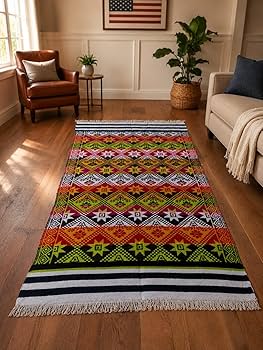
Tribal rugs last longer and stay beautiful when you vacuum them regularly, handle spills quickly, rotate them every few months, and deep clean them once or twice a year. Avoiding direct sunlight and storing them correctly during off-seasons also makes a big difference in preserving their quality and value.
Tribal rugs do more than cover a floor. They bring texture, history, and personality into a room in a way that machine-made rugs simply cannot replicate. Each piece carries the work of skilled artisans—hand-knotted, hand-woven, and crafted using techniques passed down through generations.
But that craftsmanship also means they need the right care. Without it, even the finest tribal rug can fade, fray, or lose its structure within a few years. The good news? Maintaining a tribal rug is not complicated. A few consistent habits go a long way.
Whether you purchased handcrafted rugs in Delhi from a trusted atelier like The Ambiente or plan to buy carpets online in India, this guide gives you everything you need to keep your tribal rug in excellent condition for years to come.
What Makes Tribal Rugs Different From Other Rugs?
Tribal rugs are typically made from natural fibers—wool, silk, or a blend of both. Wool is the most common material. It is durable, naturally resistant to dirt, and retains color well. Silk adds a fine, lustrous finish but requires more delicate handling.
The weaving process itself also sets these rugs apart. Hand-knotted and hand-woven rugs have a structure that reacts differently to pressure, moisture, and cleaning compared to machine-made alternatives. The dyes used are often natural, which means they can be sensitive to harsh chemicals and prolonged sun exposure.
Understanding your rug’s material is the first step toward caring for it correctly.
Daily and Weekly Maintenance: The Basics That Matter Most
How should you vacuum a tribal rug without damaging it?
Vacuuming is the simplest and most effective way to prevent dirt from embedding itself into the fibers. Do it once or twice a week, depending on foot traffic.
A few key rules:
-
Avoid using the beater bar attachment. It can pull and damage the fibers. Use a suction-only setting instead.
-
Vacuum in the direction of the pile, not against it.
-
Lift the edges carefully rather than running the vacuum over fringes, which can tangle and tear.
What should you do when a spill happens?
Act fast. The longer a spill sits, the harder it is to remove.
-
Blot the spill immediately with a clean, dry cloth. Do not rub—rubbing spreads the liquid and pushes it deeper into the fibers.
-
For water-based spills, use a small amount of cold water and blot again.
-
For oily spills, apply a tiny amount of mild dish soap diluted in water, blot gently, then rinse with cold water and blot dry.
-
Avoid hot water, as it can cause natural dyes to run.
Why does rotating your rug matter?
Rugs placed in high-traffic areas or near windows develop uneven wear and fading over time. Rotating your tribal rug 180 degrees every three to six months distributes foot traffic and sun exposure evenly. This simple step significantly extends the rug’s life and keeps it looking balanced.
Deep Cleaning: When and How to Do It Right
How often should you deep clean a tribal rug?
For most tribal rugs, once or twice a year is sufficient. High-traffic rugs may need cleaning more frequently.
When is hand washing appropriate, and when should you call a professional?
For small rugs or surface dirt, gentle hand washing works well. Use cold water and a mild, pH-neutral soap. Lay the rug flat, work the soapy water into the fibers with a soft brush in the direction of the pile, then rinse thoroughly. Lay it flat to dry in a shaded, well-ventilated area—never in direct sunlight.
For larger rugs, antique pieces, or heavily soiled rugs, professional cleaning is the safer choice. A specialist who works with handcrafted rugs in Delhi or your local area will know how to handle natural fibers and traditional dyes without causing damage.
Avoid these at all costs: steam cleaners, harsh chemical detergents, and machine washing. These methods can permanently damage the fibers and cause colors to bleed.
Protecting Your Tribal Rug From Environmental Damage
How does sunlight affect tribal rugs, and how can you prevent fading?
Natural dyes in tribal rugs are vulnerable to UV exposure. Prolonged direct sunlight causes colors to fade unevenly and fibers to weaken over time. If your rug sits near a window, use UV-filtering curtains or blinds during peak sunlight hours. Rotating the rug regularly also helps prevent one side from fading faster than the other.
What humidity and temperature levels are best for tribal rugs?
High humidity encourages mold and mildew growth, particularly in wool rugs. Ideally, keep indoor humidity between 40% and 55%. Use a dehumidifier in monsoon months if needed, especially important given Delhi’s climate, which can see significant humidity spikes between June and September.
Avoid placing rugs directly on damp floors or in poorly ventilated rooms.
How do you protect tribal rugs from pests?
Wool is a natural material, which makes it attractive to moths and carpet beetles. Here is how to protect your rug:
-
Clean your rug regularly, as pests are drawn to dirt and organic debris trapped in fibers.
-
Use cedar blocks or natural moth repellents near stored rugs.
-
Check your rug periodically for signs of damage—small holes, shed fibers, or larvae.
Storage and Seasonal Care
What is the correct way to store a tribal rug long-term?
If you need to store your rug for an extended period, follow these steps:
-
Clean it thoroughly before storage. Storing a dirty rug invites pests and can cause stains to set permanently.
-
Roll it—never fold it. Folding creates permanent creases and can crack the foundation of the rug. Roll it tightly around a cardboard or PVC tube, pile-side in.
-
Wrap it in breathable fabric, such as cotton muslin. Avoid plastic, which traps moisture and promotes mold.
-
Store it in a cool, dry, dark place. Avoid basements or attics where temperature and humidity fluctuate significantly.
Check on stored rugs every few months to ensure no moisture or pest damage has occurred.
Where to Buy Quality Tribal Rugs in India
What should you look for when buying handcrafted rugs in Delhi?
Quality matters as much as aesthetics. When purchasing a tribal rug, check for:
-
Even knotting and tight pile density, which indicate skilled craftsmanship.
-
Natural dyes, which tend to age more gracefully than synthetic ones.
-
Clearly stated materials—wool, silk, or a blend—so you know what care routine to follow.
-
Transparency about the weaving process and where the rug was made.
The Ambiente, based in Delhi with roots in Bhadohi—India’s largest hub for hand-knotted carpet weaving—offers a collection of tribal and handcrafted rugs backed by over 30 years of manufacturing expertise. Founded by Avani Khandelwal, the brand works with more than 4,000 women weavers and focuses on making quality handcrafted rugs accessible to Indian homes at fair prices.
How can you buy carpets online in India with confidence?
Buying rugs online can feel uncertain, but a few steps reduce the risk significantly:
-
Choose brands that offer detailed product descriptions, including fiber content, pile height, and weaving technique.
-
Look for high-resolution images that show the rug from multiple angles and in natural light.
-
Check return policies and whether the brand offers sizing guidance or room visualization tools.
-
Read customer reviews that mention the rug’s quality after extended use, not just initial impressions.
The Ambiente allows customers to buy carpets online in India with access to ready-to-ship collections, transparent product information, and the assurance of authentic handcrafted quality.
Your Tribal Rug Is Worth the Effort
A well-maintained tribal rug does not just look good—it holds its value. Handcrafted pieces, particularly those made with natural fibers and traditional techniques, can last for decades when cared for properly. Some become heirlooms.
The care routine is not demanding. Regular vacuuming, prompt attention to spills, seasonal rotation, and proper storage cover most of what your rug needs. For deeper issues, a professional cleaner who specializes in handcrafted rugs is always the right call.
When you invest in a quality tribal rug—whether you purchase it in-store or buy carpets online in India—you are also supporting the artisans behind it. Caring for that rug well honors their work and ensures it continues to bring warmth and character to your home for years ahead.
Frequently Asked Questions
How often should I vacuum my tribal rug?
Vacuum once or twice a week for rugs in high-traffic areas. For rugs in low-traffic rooms, once a week is enough. Always use a suction-only setting and vacuum in the direction of the pile to avoid damaging the fibers.
Can I use regular carpet cleaner on a tribal rug?
No. Most commercial carpet cleaners contain harsh chemicals that can damage natural fibers and cause dyes to bleed. Use a mild, pH-neutral soap diluted in cold water instead, or consult a professional cleaner who specializes in handcrafted rugs.
How do I know if my tribal rug needs professional cleaning?
If the rug has deep stains that home cleaning has not removed, an unpleasant odor, visible pest damage, or if it is a large or antique piece, professional cleaning is the right choice. Most tribal rugs benefit from professional cleaning once a year.
Is it safe to buy tribal rugs or handcrafted rugs in Delhi online?
Yes, as long as you buy from reputable brands that provide clear product details, including material, pile type, and weaving technique. Look for brands with strong customer reviews and transparent return policies, like The Ambiente, which offers authentic handcrafted rugs with full product information.
What is the best way to prevent a tribal rug from fading?
Rotate the rug every three to six months to distribute sun exposure evenly. Use UV-filtering window treatments in rooms with strong sunlight, and avoid placing the rug in direct sunlight for extended periods.
How long does a well-maintained tribal rug last?
A high-quality tribal rug made from natural fibers and properly maintained can last 20 to 50 years or more. Some antique tribal rugs are over a century old and still retain their beauty, which reflects both the quality of the craftsmanship and the care they received over time.